
The First Day
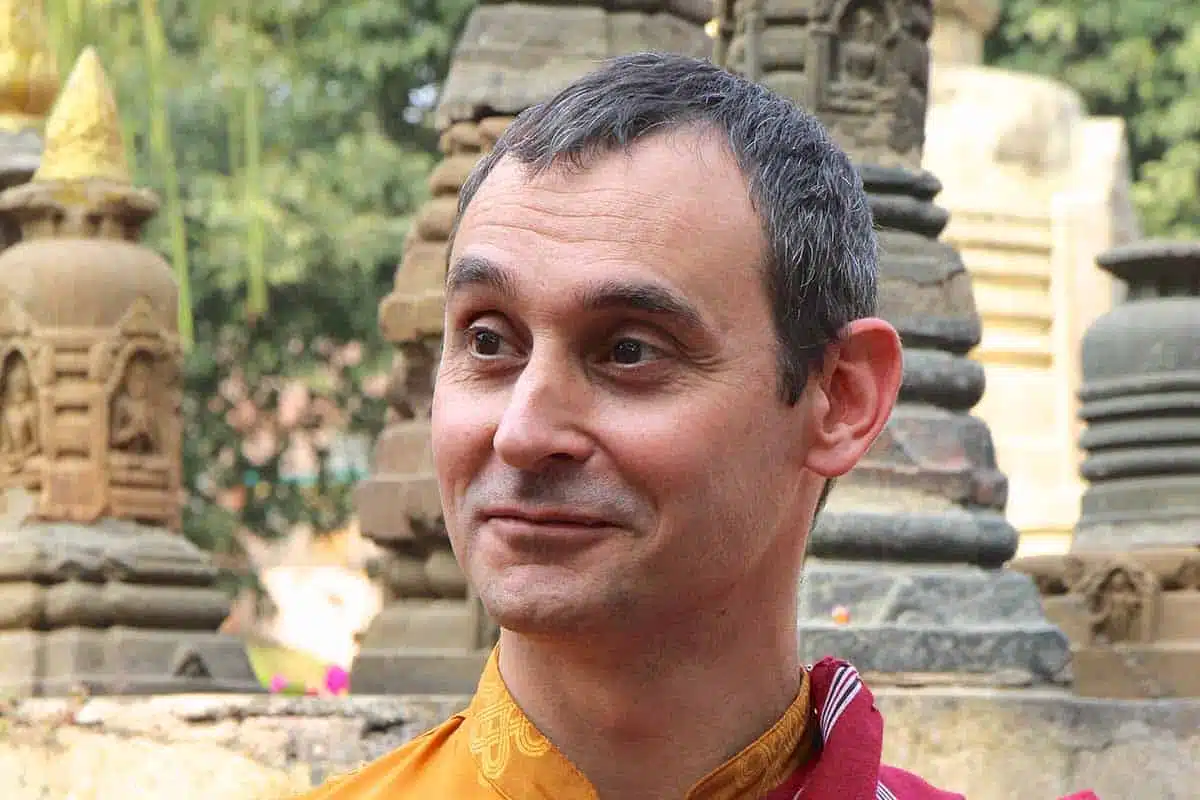
Written By Mila Khyentse
Blog | Culture and tradition
In this article “The First Day”, Mila Khyentse talks about the first day of the Tibetan year and what we usually do in a primordial way.
The First Day
In Tibetan tradition, as in other Asian countries such as Japan, the first day of the new year is a time to remember the sacred and strengthen ties with loved ones. People dress up in their finest clothes (or rather, their New Year’s best) and go with their families to the temple (Tib. lha khang, literally “the house of the gods”), burn incense (Tib. spos, pronounced pö) or juniper (Tib. bsang, pronounced sang) as offerings to the protectors of the land, make material offerings to the monastic community, prostrate themselves and recite prayers before the statues of enlightened beings.
“What about you? What will your first intention and action be on this first day of the year?”

The first action of the year is joyfully focused on the essential, and this primary intention reminds us that we are only passing through the frozen lands of Tibet and that our ultimate goal is not located in this life itself, but goes far beyond it, toward liberation from the cycle of suffering in all existences.
Thus, turning to the Buddhas, Bodhisattvas, and all enlightened beings on this first day of the year is a reminder of the primary motivation for existence and an invitation to never stop until sublime enlightenment is attained. It also allows us to connect with our true nature: when we turn our gaze toward enlightened beings, we remember who we really are, even if we have forgotten.
What about you? What will your first intention and action be on this first day of the year? Tibetans believe that it will greatly influence the rest of the year…
Happy New Year!
More Posts

Unstagrammable
In his article “Unstagrammable”, Paul depicts us our life between like(s) and dislike(s), between the extremes of existence and their end…

Practicing the Great Perfection
“ Practicing the Great Perfection” by Patrul Rinpoche, is a new text translated by the Dzogchen Today! Translation Committee.

What is the Dzogchen “tradition”?
In this article, What is the Dzogchen “tradition”?, Damien Brohon talks about the reality of all traditions, and that of Dzogchen of course!