
The Eight Sparks of Compassion
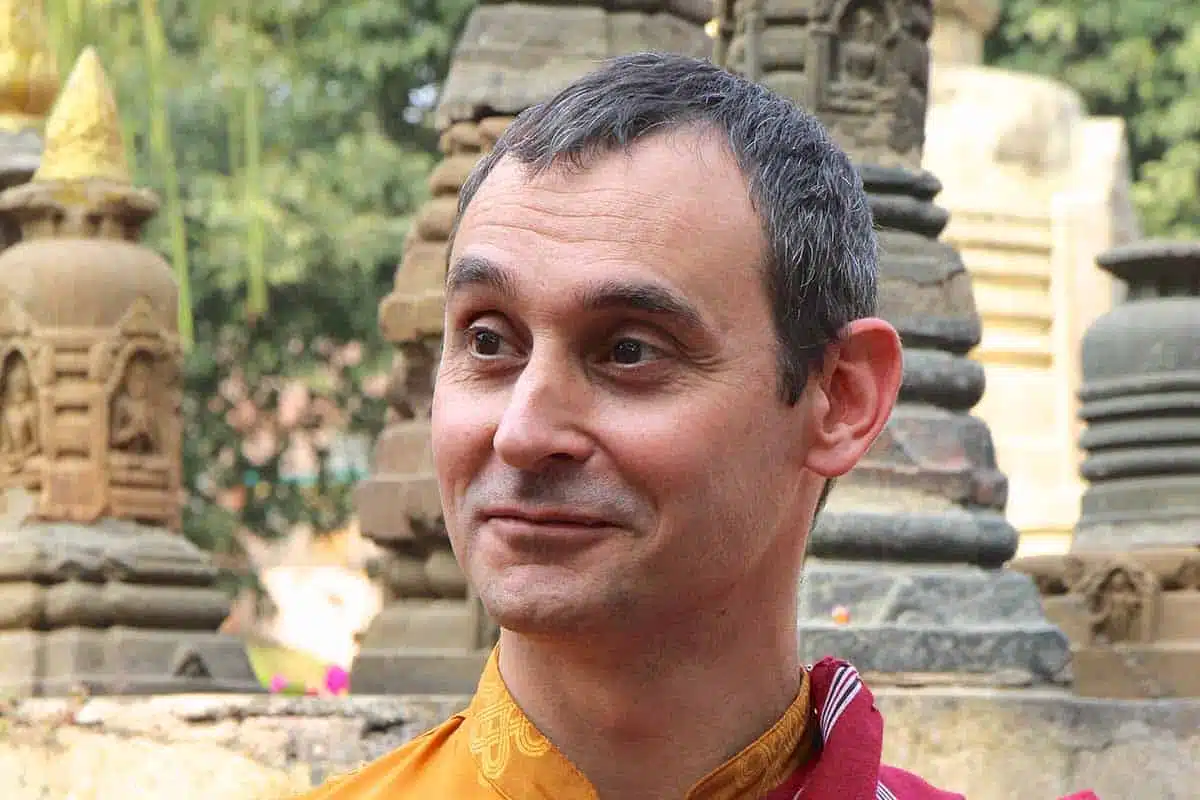
Written By Mila Khyentse
Blog | The Dzogchen Journey
In “The Eight Sparks of Compassion”, Mila Khyentse talks about the real nature of phenomena for Dzogchèn: sparks of compassion.
Series: How to practice the Dzogchen path?
The Eight Sparks of Compassion
The foundation of the Dzogchen teachings, the Mind Series (tib. sems sde), emphasizes that everything we perceive, think and experience is the pure manifestation of our own mind. Where we think we see a definite and definitive external reality, there is the pure and perfect mind (tib. byang chub sems). Where we think we see suffering and unhappiness, pain and relief, there is the wisdom nature of the pure and perfect mind, the primordial evidence (tib. rig pa). Where we think we see a space filled with endlessly wandering beings, there is the manifestation of compassion (tib. thugs rje), the sovereign manifestation of the nature of our own mind. Dzogchen, the Great Perfection, then simply explains that we are asleep, dreaming that we are wandering endlessly through an infinite multitude of experiences in which unhappiness and happiness, suffering and joy, endlessly alternate.
“So the message of the Great Perfection is that the activity of compassion has always, is always and will always be there, within our mind.”
So how do we wake up?
By being dazzled, awakened by the eight sparks of compassion. In the Tibetan Dzogchen Nyingmapa tradition, the compassionate manifestation of our own nature manifests in our infinite dream in forms we can recognize: beings, objects, sounds, lights, and so on. These manifestations, however, are somewhat different from the others: they visibly bear the luminous brilliance of our pure and perfect mind and are the direct manifestation of primordial evidence. In the traditional form of Dzogchen, they are called the Vidyadharas (tib. rig ‘dzin), the Lords of primordial evidence, the “teachers” of the root Tantra of the Mind Series, the King Creator of all things (tib. Kun byed rGyal po, skt. Kulayarāja Tantra). From a more Buddhist perspective, they are called the eight sparks of compassion, the eight great beings, the eight great Bodhisattvas [1]. They are not “beings” in the strict sense of the word; they are “enlightened beings,” a direct manifestation of our real nature. They are phenomena, events, beings that we can encounter throughout our lives when the conditions are right and our intention to awaken is strong enough. These eight sparks manifest continuously in all appearances because they are the manifestation of universal compassion (tib. thugs rje) of the true nature (tib. rang bzhin) of our own primordial mind (tib. ngo bo).

So the message of the Great Perfection is that the activity of compassion has always, is always and will always be there, within our mind. It is the enlightened activity that shows us how to wake up. It is the very natural activity of our own mind. As it is said in chapter 3 of The King Creator of All Things: “The Pure and Perfect Mind, the Nature of Mind, replied: the primordial evidence is the only true teacher of all, yet my essence manifests three aspects and thus spring forth the three categories of teachers. I am the oneness of the fundamental condition, and this is precisely the reality of phenomena; there is only me, the Pure and Perfect Mind (…)”.
[1] Mañjuśrī, Vajrapāṇi, Avalokita, Maitreya, Ākāśagarbha, Kṣitigarbha, Sarvanīvaraṇaviṣkambhin, Samantabhadra. BACK
More Posts

Dust
In “Dust”, Paul talks about the reality of all the living beings and one of the most important thought of Dzogchen: impermanence.
The Toy Train
In this article Mila Khyentse makes a railway parallel between the ascent to Darjeeling with the toy train and the path of Dzogchen.

The hermitage of the mandarin and the apartment of the yogi
From the caves to the the skyscrapers… this is always Great Perfection.