
Nirvana

Written By Damien Brohon
Dzogchen Terms | General Introduction to Dzogchen
In this article, Damien defines nirvana, the definitive recognition of the nature of reality as manifested by the three Bodies..
Series: The Dzogchen Terms
Nirvana
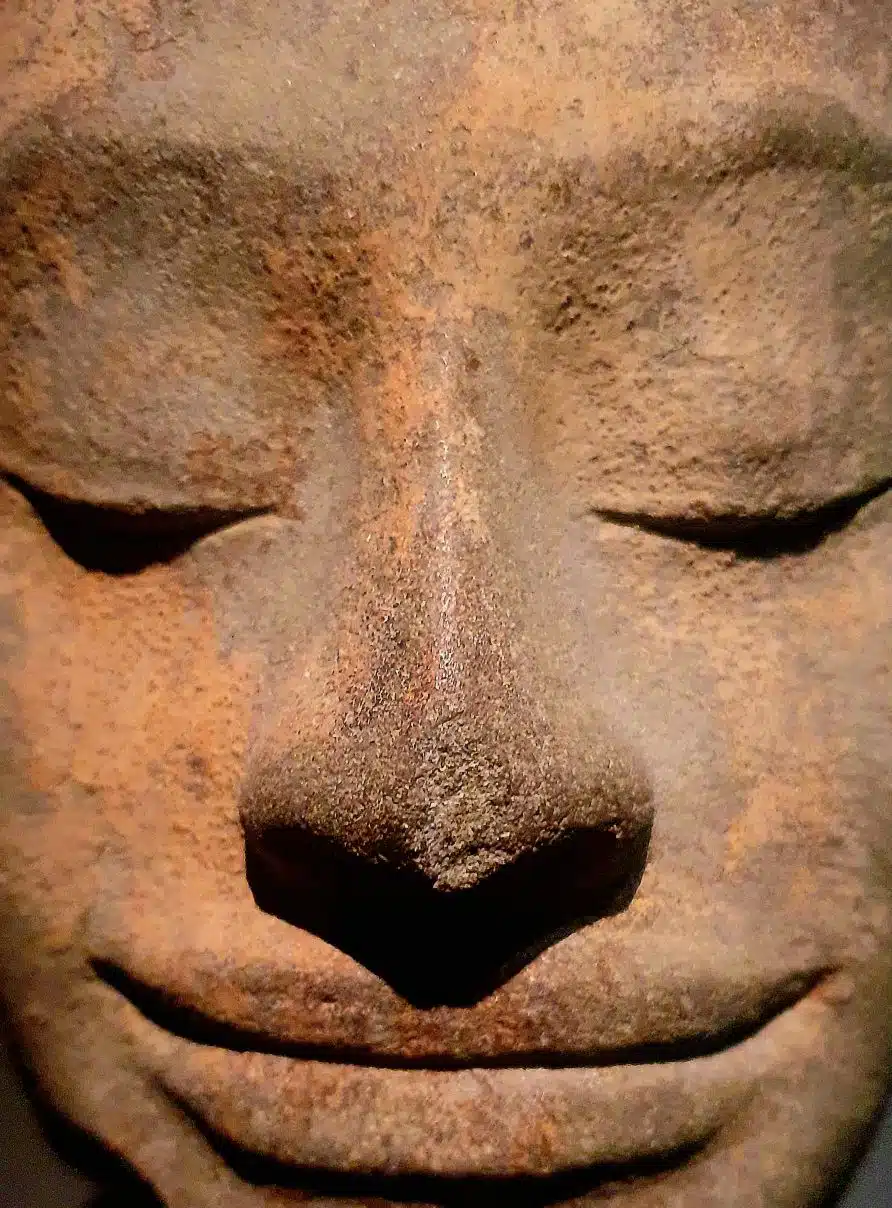
In his oral teachings, Tulku Urgyen Rinpoche [1] used to say: “Saṃsāra is the mind turned outwardly, lost in its own projections. Nirvāṇa is the mind turned inwardly, recognizing its own nature.” Nirvāṇa literally means “beyond the torments” of the mind when it has definitively recognized the Ground of reality. According to the Dzogchen tradition, the spiritual path consists of the unveiling of the Fruit — which is none other than the awakened nature inherent in every being. When the Fruit is actualized, ordinary bodies, speech, and mind manifest as the “Three Bodies.” The Reality Body (Skt. dhamakāya) is enlightenment from the perspective of enlightenment: it is wisdom that fully recognizes its primordial awakened nature. It is like a boundless sky. The other two Bodies are enlightenment that radiates spontaneously (like the sun) for the ultimate sake of beings. The Perfect Fullness Body or Body of Perfect Enjoyment (Skt. sambhogakāya) is pure luminosity—the radiance of the awakened qualities necessary for the sake of sentient beings. The Appearance Body or the Manifestation Body (Skt. nirmanakāya) is the manifestation, in time and space, of enlightened beings bearing these qualities to guide others—that is, sentient beings—toward nirvana.
[1] A great contemporary Dzogchen master (1920-1996). Many of his teachings have been translated into Western languages, for instance: Tulku Urgyen Rinpoche, Vajra Heart Revisited, Bodhnath, Rangjung Yeshe Institute, 2020. BACK
More Posts

The Peacock feathers radiant display
In the Peacock feathers radiant display, Johanne draws a beautiful parallel between emotions and the radiant display of a peacock’s feathers.
Karmic creations
In “Karmic creations”, Damien talks about karma and what this Sanskrit term means beyond the simplistic expression: it’s your karma, man!

In the translator’s workinghouse: The space of freedom and the triple requirement 1
In “In the Translator’s workinghouse: The space of freedom and the triple requirement 1”, Paul talks about the triple requirement that every good translator must have… to translate well.